
Filters
33 products
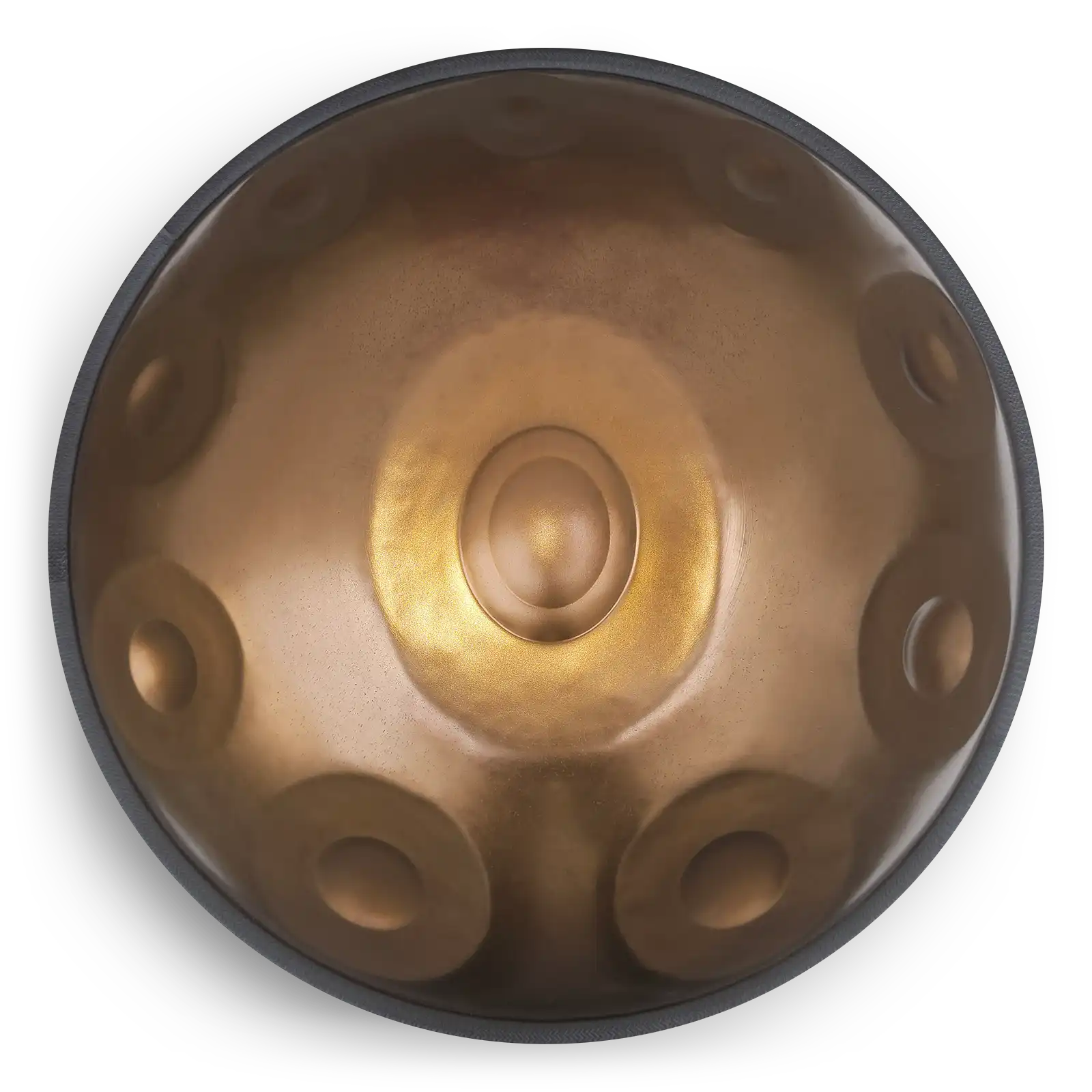
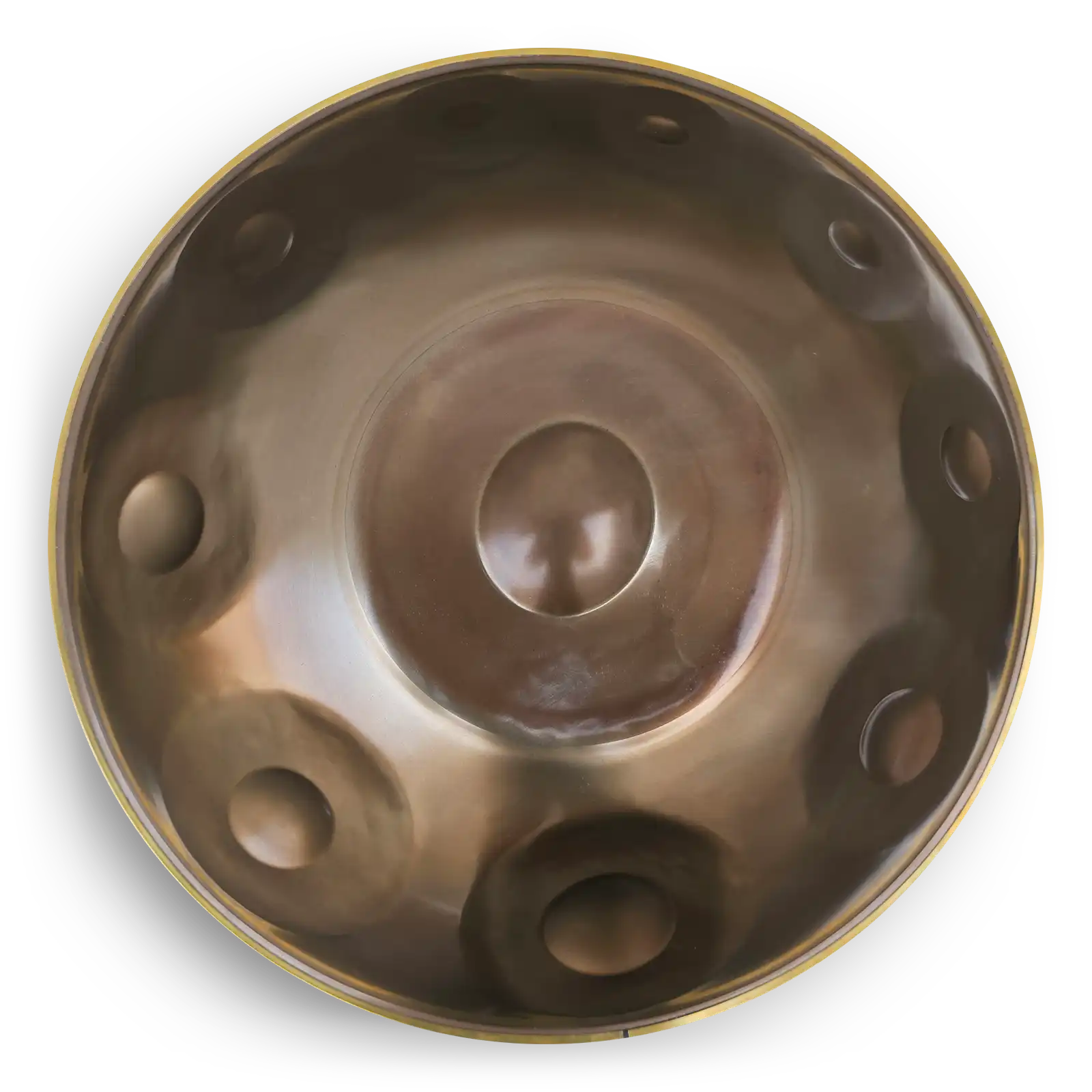
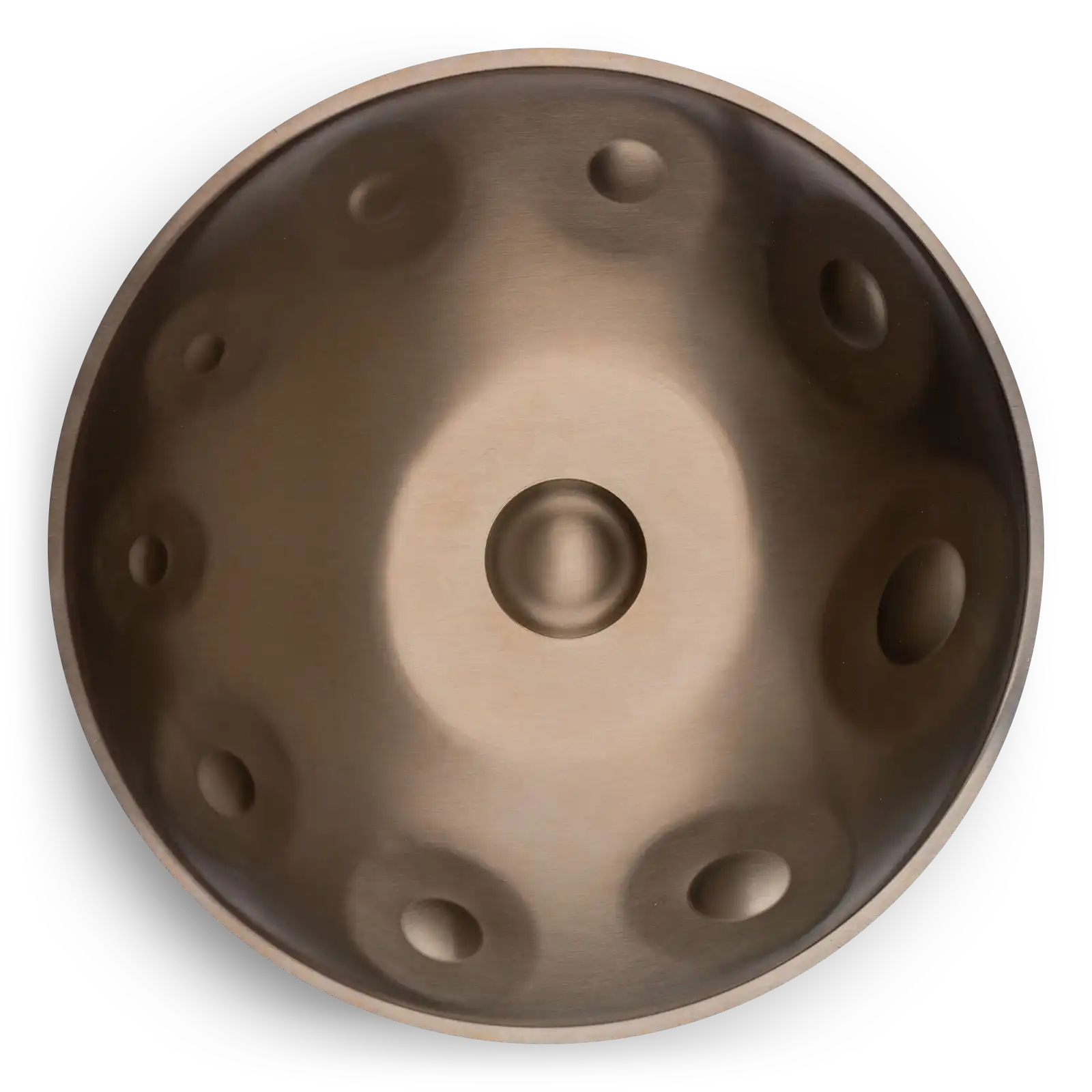
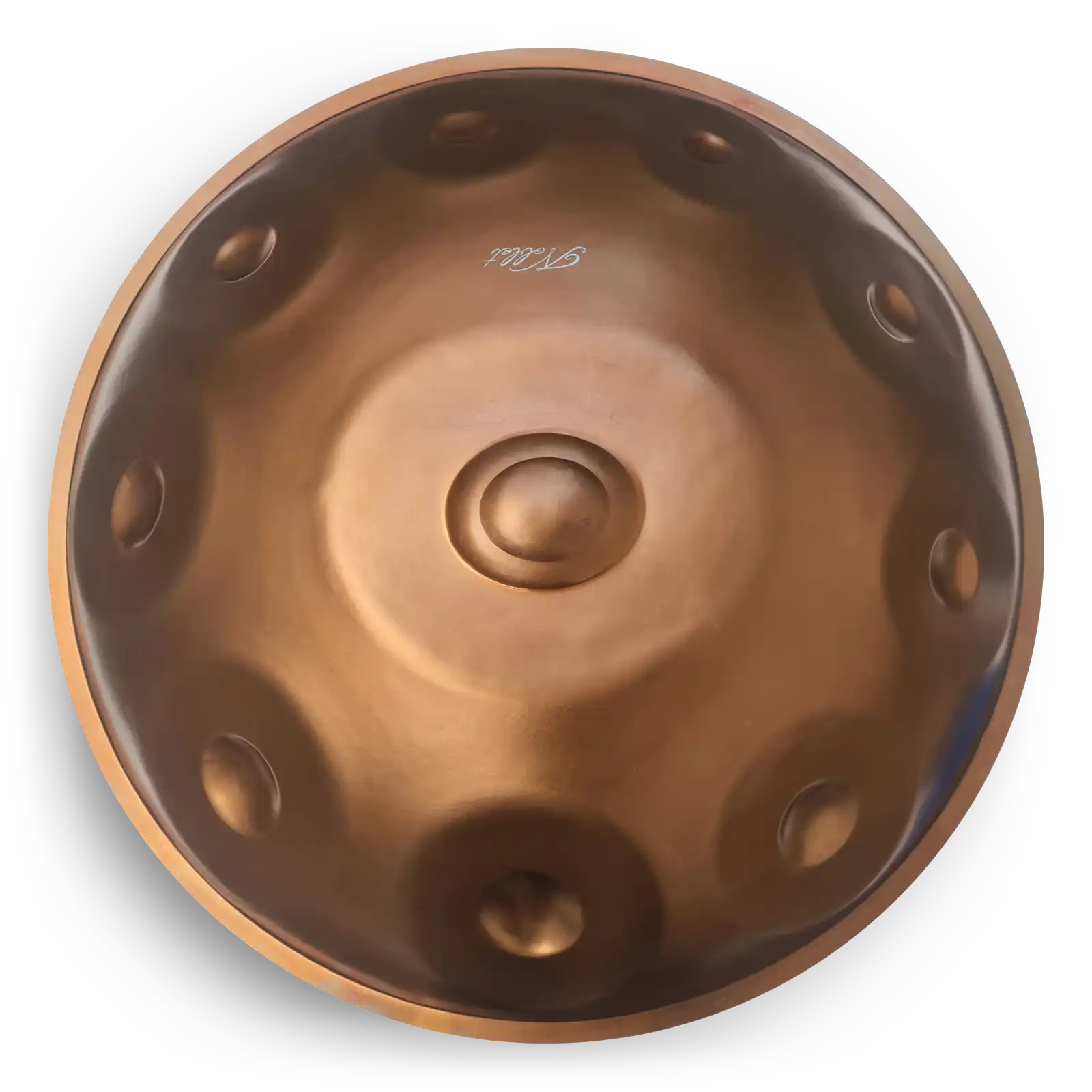
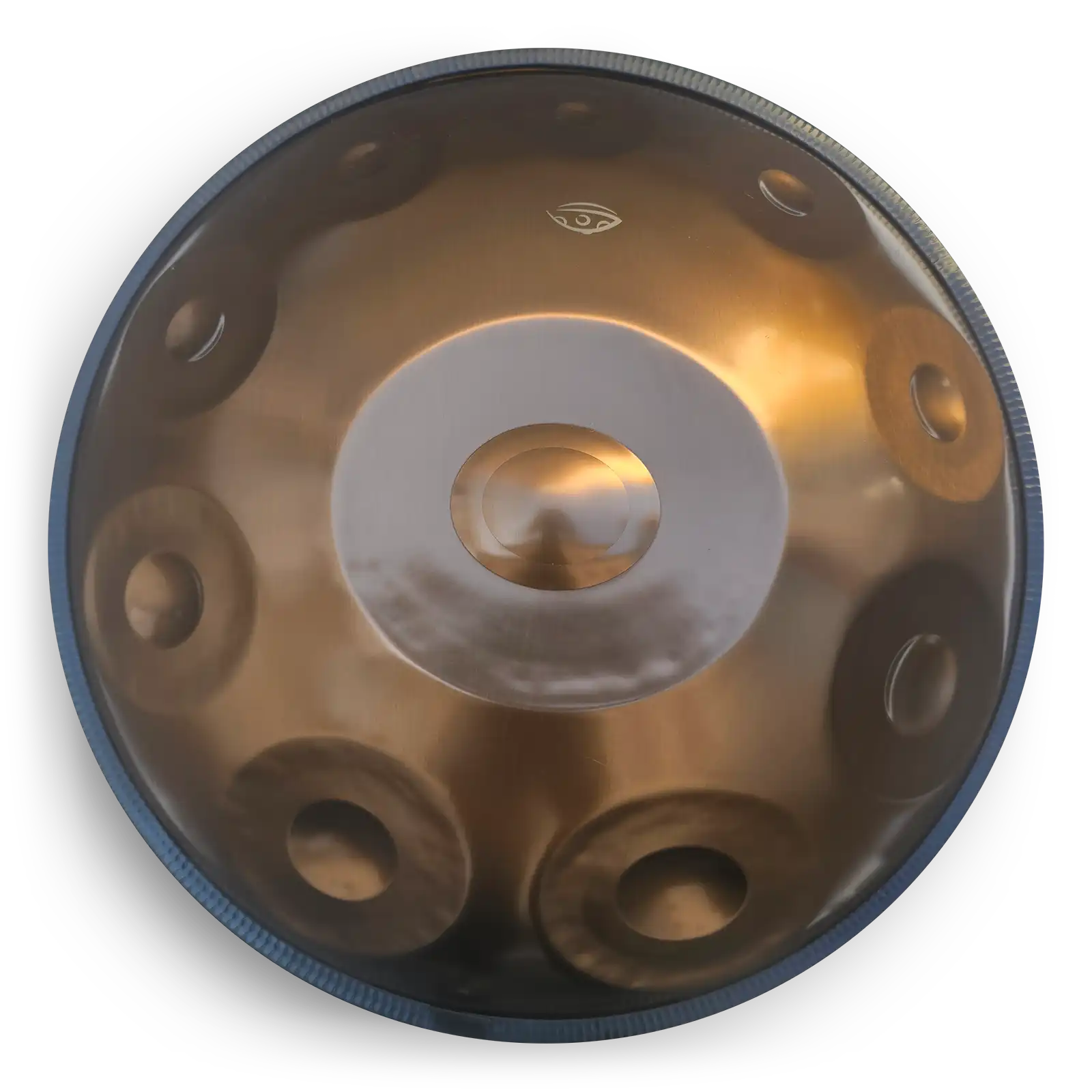
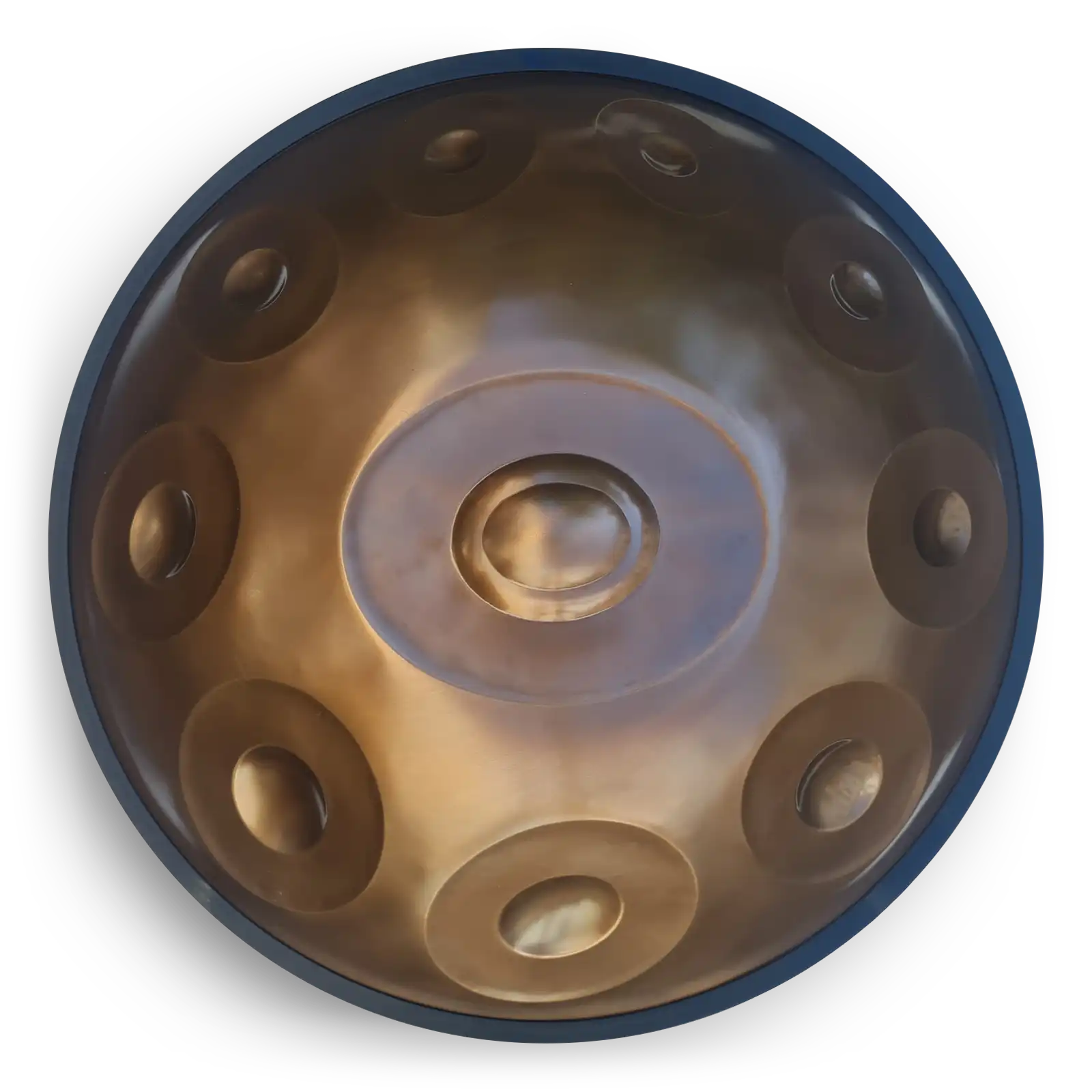
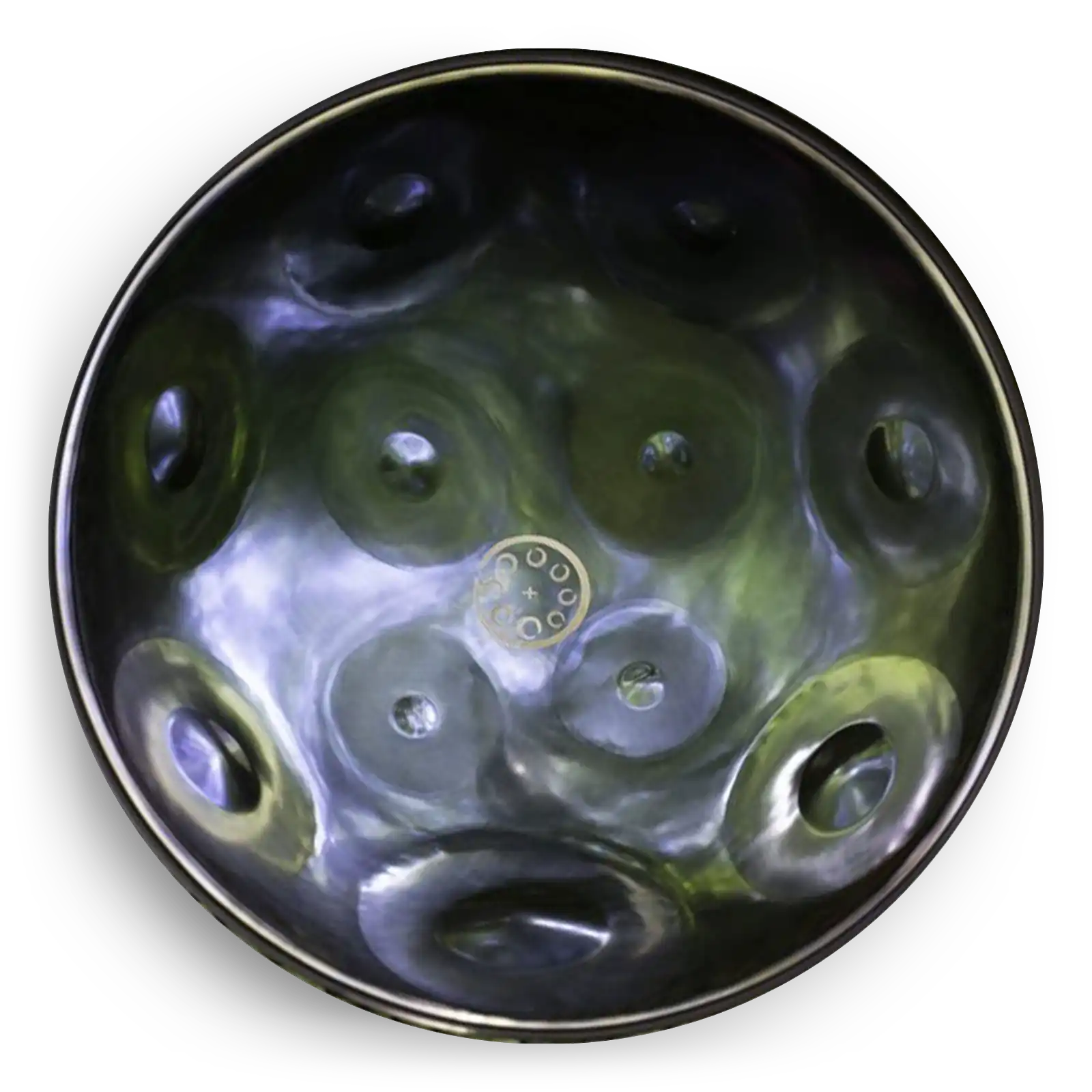
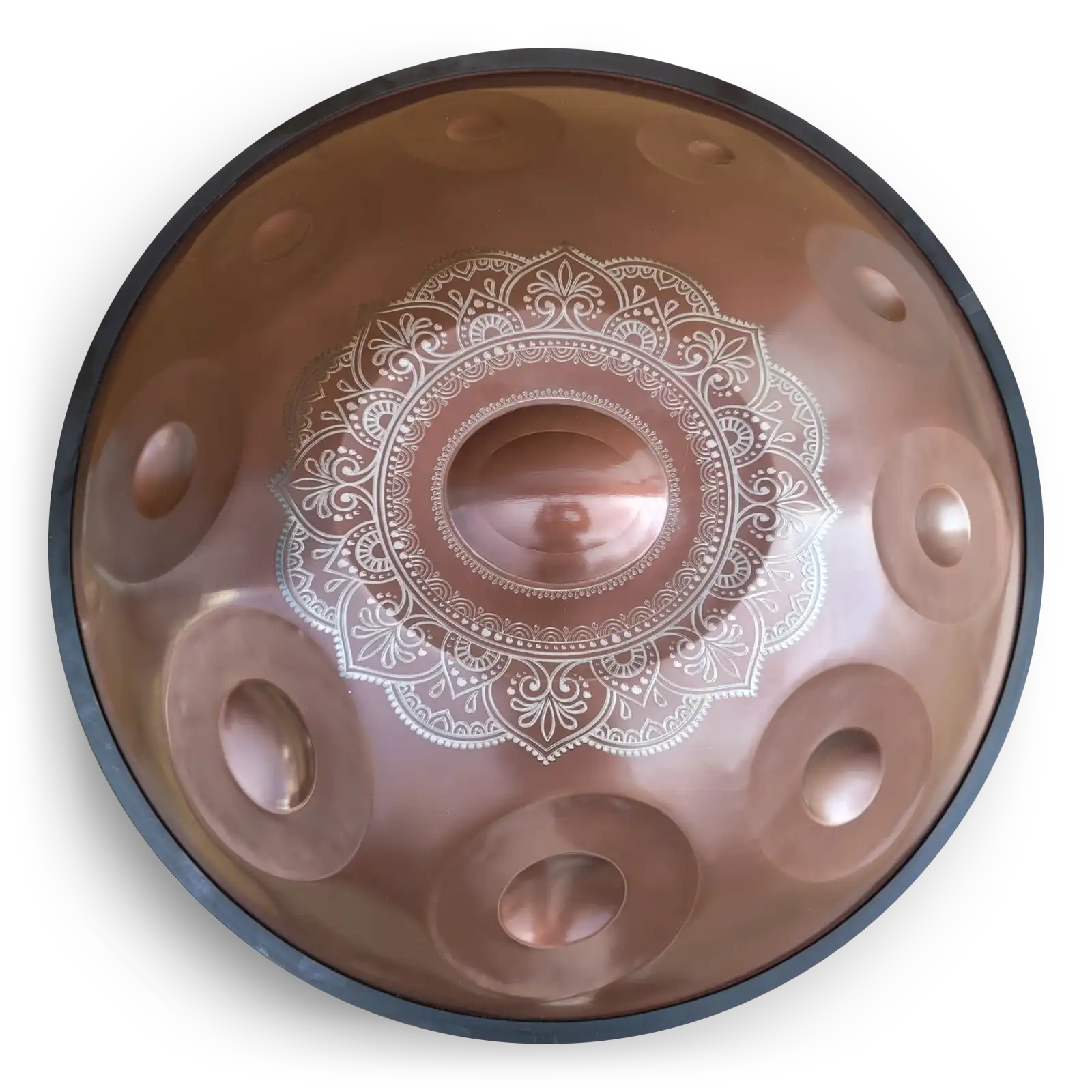

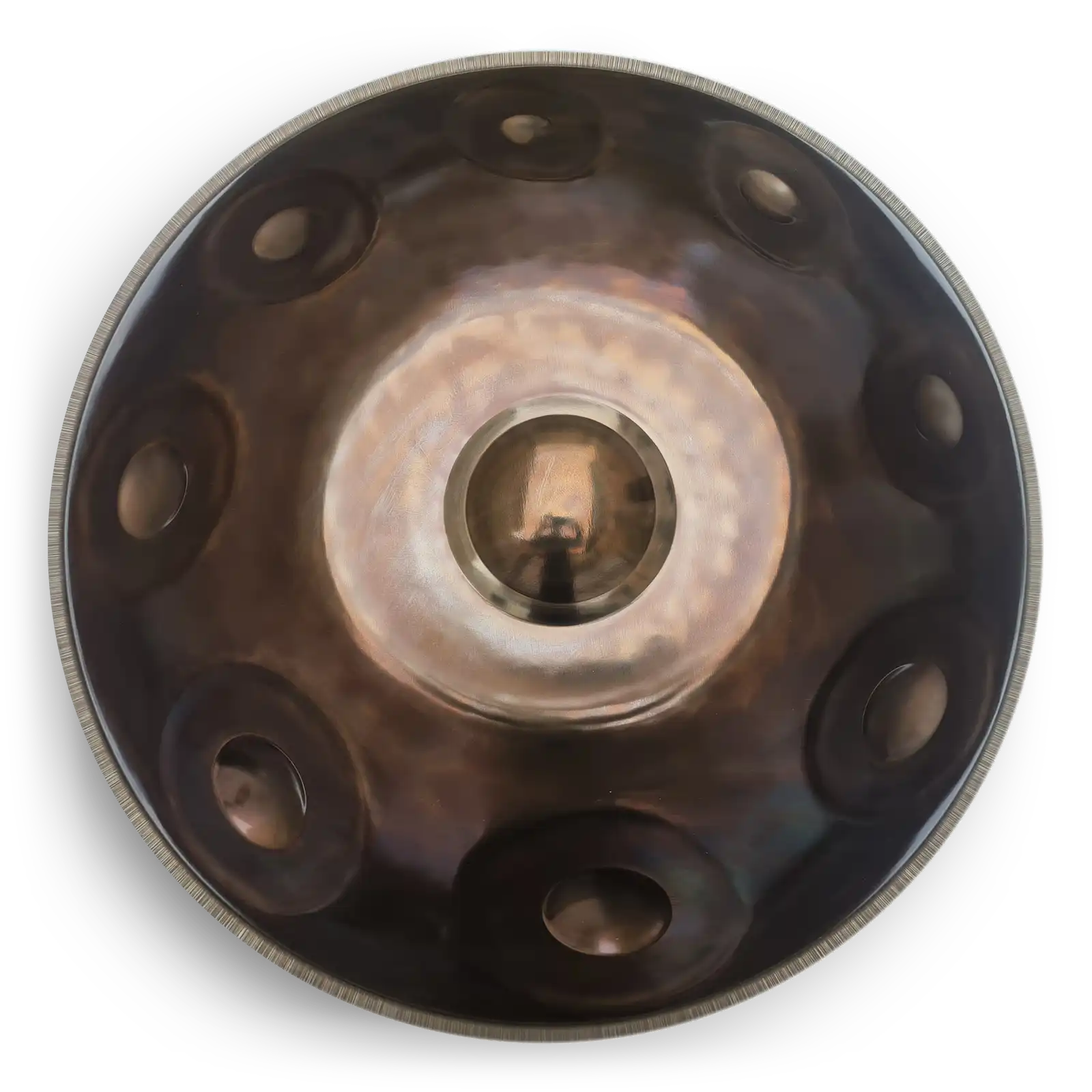
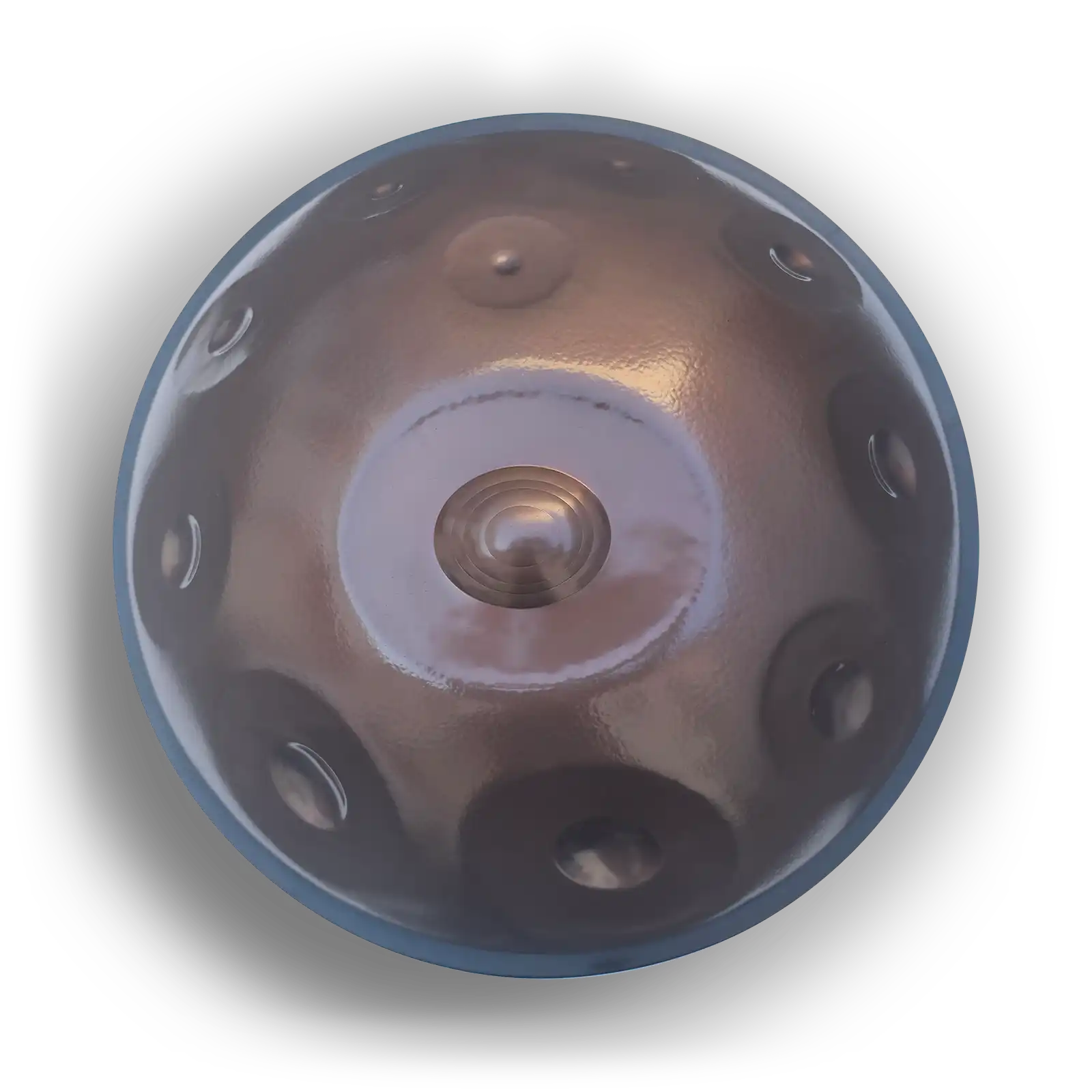
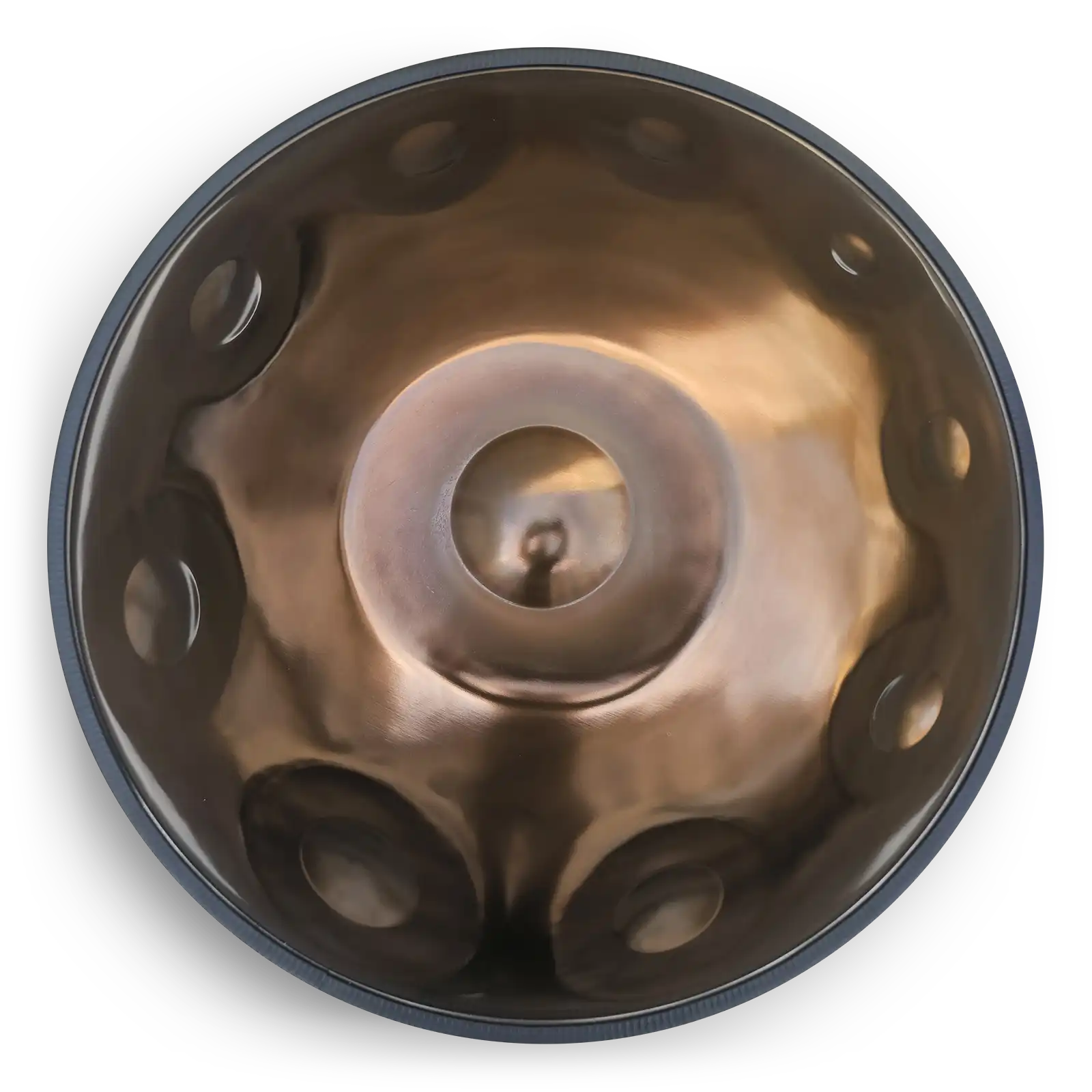
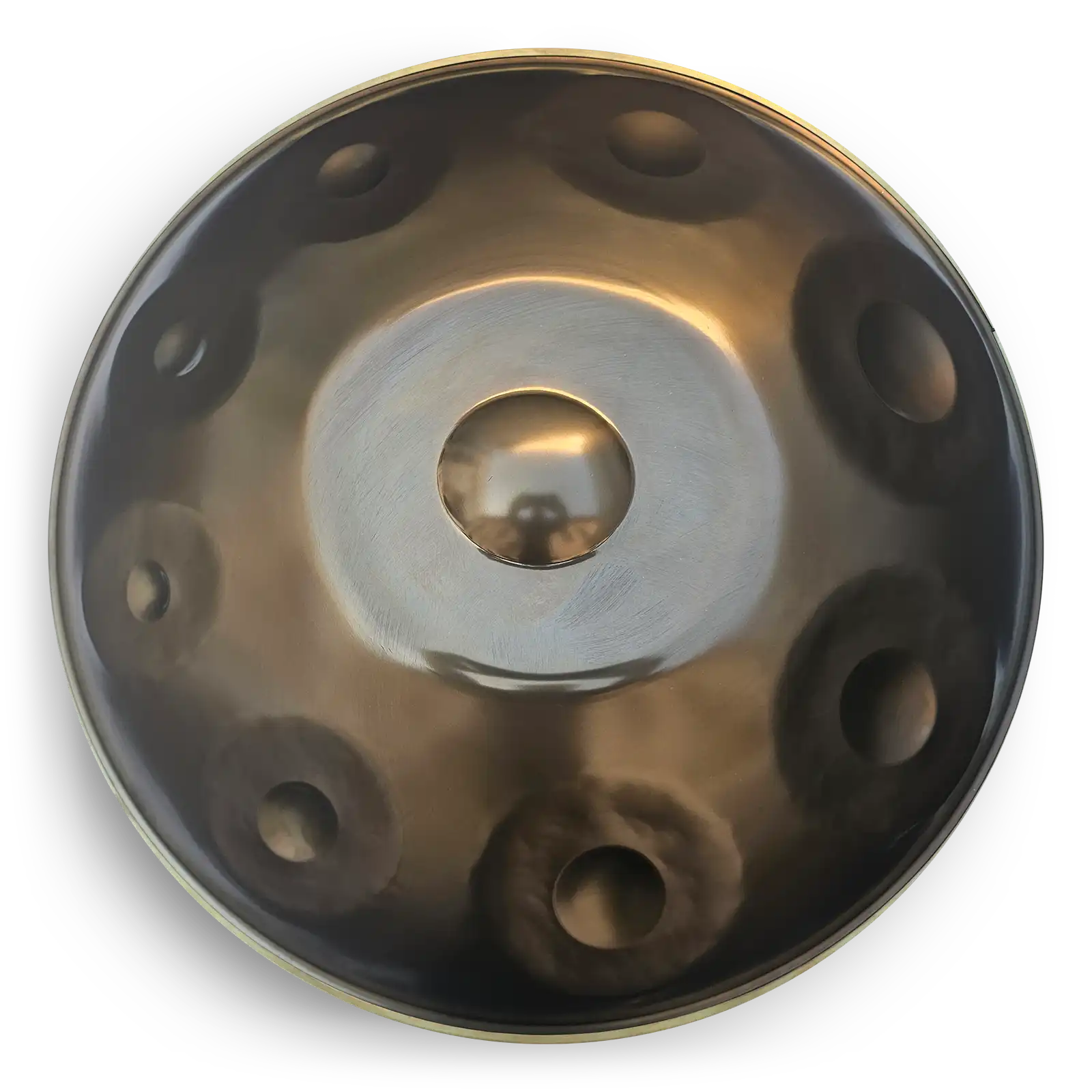

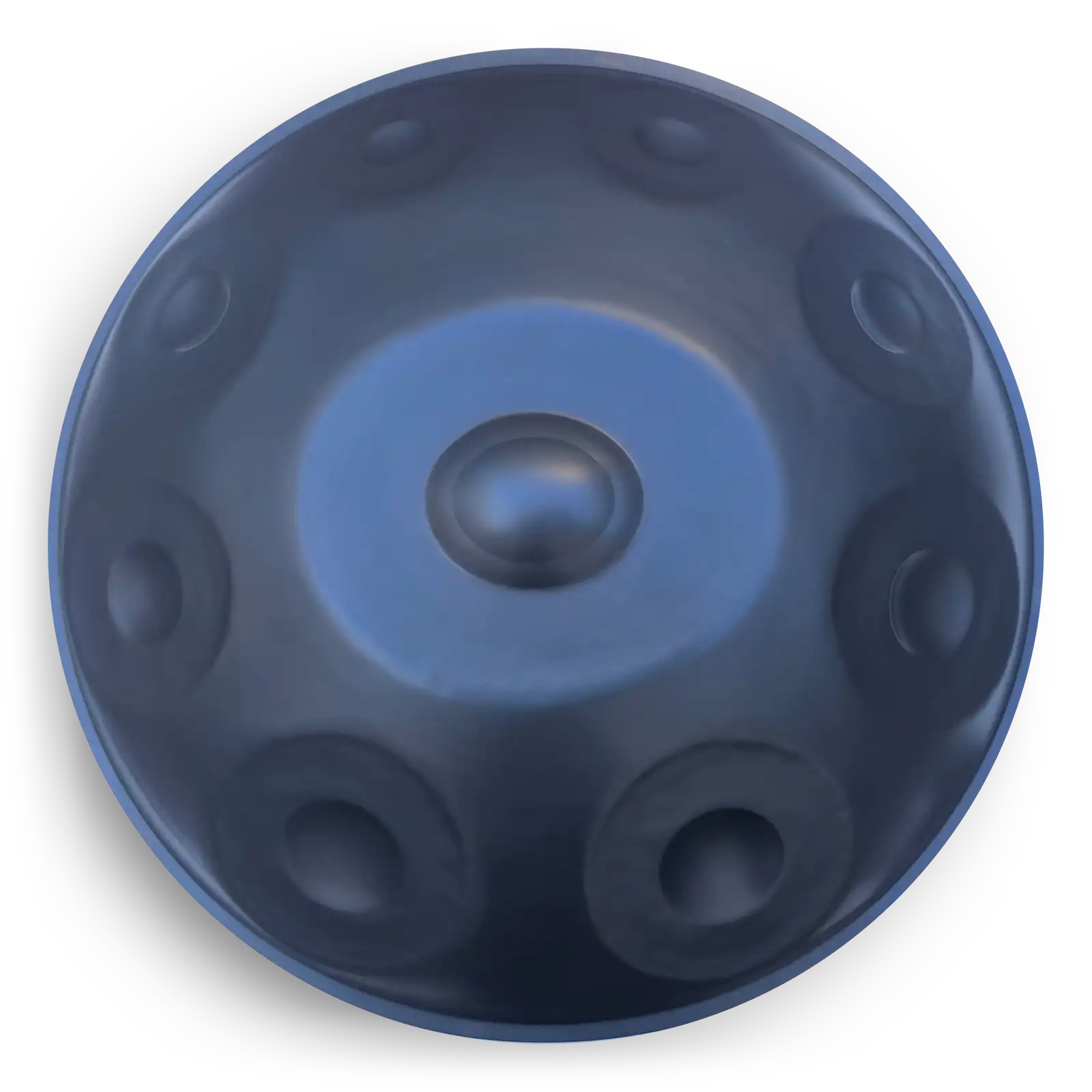
What distinguishes an intermediate handpan?
An intermediate handpan has between 10 and 12 notes, about two more than a beginner's handpan. This difference offers you new melodic possibilities for creating richer compositions. Rest assured, while more sophisticated, the intermediate handpan remains accessible. It simply allows you to deepen your practice without venturing into complex professional instruments.
Your melodies become more nuanced, and you add a new dimension to your playing.
Switching to an intermediate level handpan requires more discipline. This more demanding instrument encourages you to refine your technique: smoother transitions and mastery of tonal nuances. These challenges may seem daunting, but that's precisely what fosters your progress. At an advanced level, perseverance and practice become your greatest allies for artistic growth!
Playing an intermediate handpan requires improved technique e.g. playing the bottom notes. This is an opportunity to refine your sense of rhythm and gain precision. With more notes, you're entering a new phase of your learning. Now that you've mastered the fundamentals and your ear has been trained, it's time to work on transitions, tempo variations, and melodic intensity. These new skills will give your compositions more fluidity and depth.
The intermediate handpan also offers you much greater creative freedom to express your emotions and create personalized atmospheres. The additional notes provide access to new scales, both richer and more expressive. Now, your goal is no longer simply to play in tune, but to play with intention. Every stroke you make has meaning.
It's time to get started! Your advanced playing level and your intermediate handpan are ideal for you to start creating your own pieces. You have enough practice to improvise with other musicians. Trust yourself! Use your instrument in different contexts to challenge yourself: amateur concerts, accompanying a meditation session, video tutorials, or audio recordings.
Are you having trouble choosing from all the intermediate handpans available? Choosing the right handpan is mainly based on three criteria: the number of notes, the scale, and the material used to make the instrument.
The number of notes
Upgrading from a 9 or 10 note handpan to a larger model expands your musical possibilities. A 12-note handpan allows you to create richer melodies thanks to the additional notes. The acoustic palette expands without making the instrument more difficult to play: these extra notes represent a natural progression for deepening your practice while remaining accessible.
The scale
The choice of scale determines the type of emotions conveyed by your compositions. A scale evokes a particular mood: either melancholic and profound, or on the contrary, more joyful and lighthearted. Dare to step outside your comfort zone. Explore new scales and create melodies you're not used to. Why not explore more exotic scales like the Hijaz, Pygmy, or Integral for example?
The material
Attention must also be paid to the type of material used to make the intermediate handpan. Three types of steel, with distinct characteristics, exist.
- Nitrided steel: it gives melodies with rather deep and rich sounds by emphasizing the low tones.
- Stainless steel: with an intermediate stainless steel handpan, your compositions have light and bright tones.
- Ember steel: it emphasizes soft and warm sounds.
Your advanced knowledge of the handpan now allows you to appreciate the nuances of each instrument. Experiment with different materials, ranges, and handpan sizes to identify your preferences. There are various models available. Mini, Mutant and handpans with bottom notes, each offering a different sound experience depending on the format and resonance of the instrument.
The best way to know if an intermediate handpan is right for you is to try it out. Renting a handpan allows you to test the instrument under your usual playing conditions. There's no better way to be sure it's the right fit. At Sound-Sculpture, we offer the rental of the handpan for a period of 15 or 30 days. Ideal for exploring its sounds and confirming that it is indeed the instrument you need.
Wanting to move up to an intermediate handpan is a good sign: you're progressing and want to improve. However, some precautions should be taken to avoid frustration.
To ensure you develop your playing gradually, start with a 10-note handpan. This increases your melodic possibilities and playing level without making the instrument too complex. If you keep your first beginner handpan, consider choosing an intermediate model with a compatible scale. The harmony between the two instruments will be all the better for it! Finally, don't neglect the choice of material. Beyond the specific tones of each steel, sustain and touch sensitivity also vary.
At Sound-Sculpture each intermediate handpan is selected with you, the musician seeking to progress, in mind. We collaborate exclusively with manufacturers renowned for their expertise. Every instrument we offer is the result of meticulous work, combining technical precision and musical sensitivity.
Our priority: quality. Every handpan passes through our hands to be tested and verified. This rigorous selection guarantees you an intermediate handpan that lives up to your musical ambitions: stable tuning, accurate sound, and perfect responsiveness to touch.
FAQ: Intermediate handpan
Move on to an intermediate handpan as soon as you've mastered the basics and start exploring all the tones of your instrument. If you feel the desire to progress and play more freely, now is the perfect time to move up.
The difference between an 11-note handpan and a 12-note handpan lies in the musical possibilities: the 11-note is already very rich in harmonies, while the 12-note expands the sound palette and gives more creative freedom, while remaining accessible to play.
Progress depends on your consistency. With 15 to 30 minutes of daily practice, you'll quickly improve the accuracy of your strokes, the fluidity of your transitions, and the richness of your melodies. The key is to remain consistent and attentive in each session.
The intermediate handpan is very versatile. It allows you to explore meditative, relaxing, or more rhythmic moods like jazz, funk, or world music. The additional notes offer more freedom to create original melodies and harmonies.